
Doctors & Magic: The Weird & Wonderful Medicine of Ancient Egypt
Imagine you have a terrible headache. What do you do? You probably take a small pill, right?
Now, let's rewind 4,000 years to Ancient Egypt. For that same headache, a doctor might tell you to eat a crushed mouse! 😲
Sounds crazy? Well, the ancient Egyptians were some of the world's **first doctors**, and their methods were a fascinating mix of brilliant science and powerful magic.
The Very First Doctors
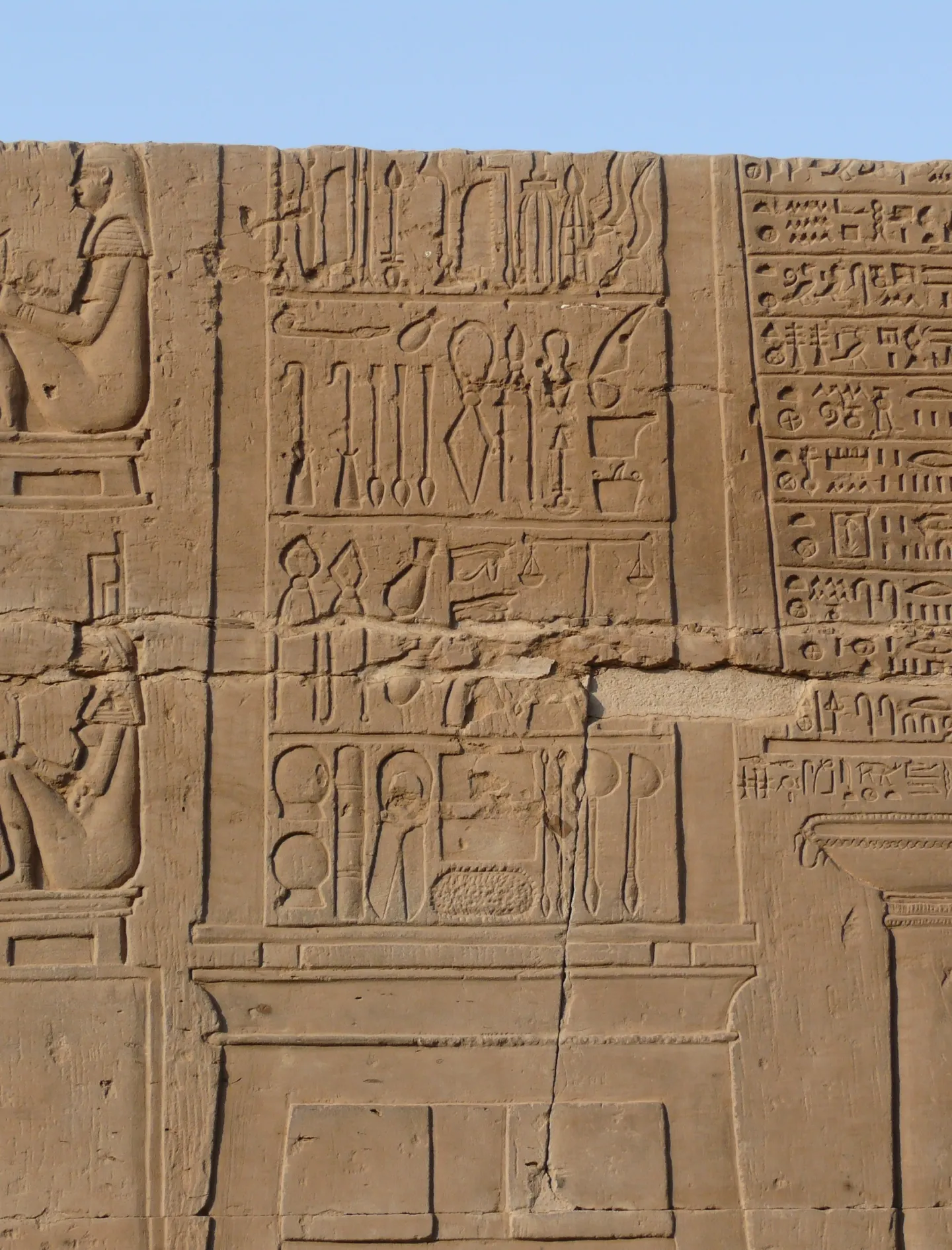
The Egyptians were pioneers in medicine. They had doctors for different body parts, kind of like we have heart specialists or eye doctors today! Their doctors knew a lot about how the human body worked, mostly because of their practice of making mummies.
But they believed that sickness could be caused by two things:
1. Something you can see: Like a wound or a bad diet.
2. Something you can't see: Like a angry god or an evil spirit.
So, their healing had to tackle both.
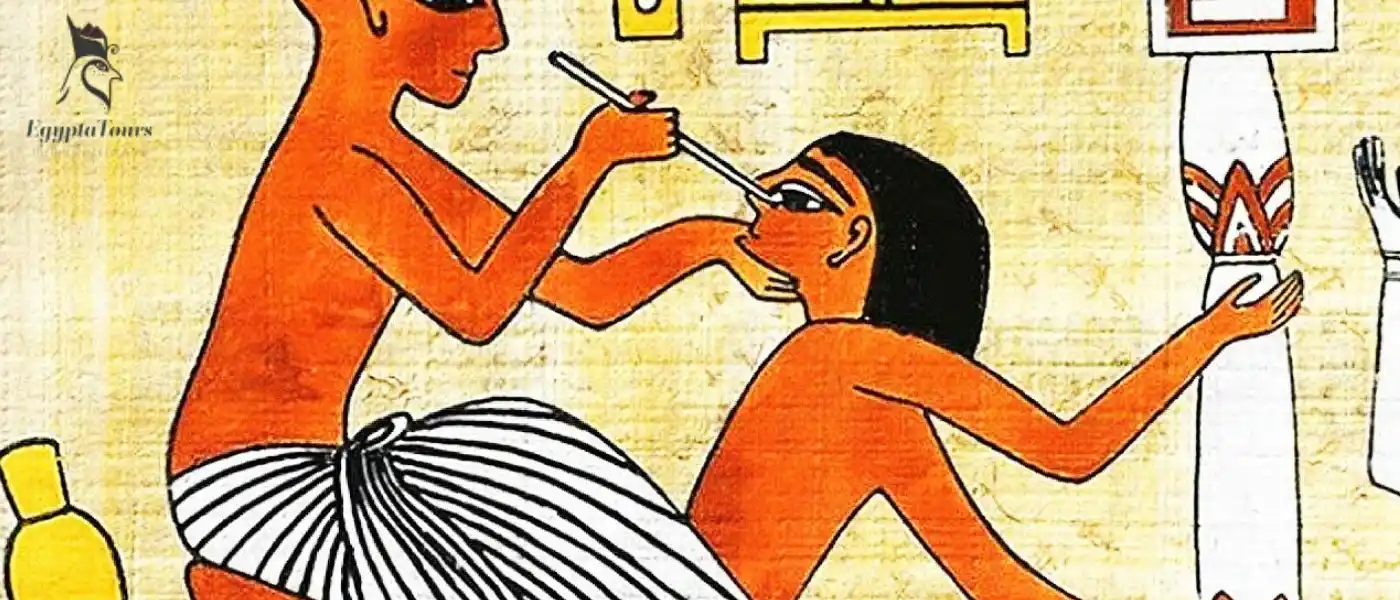
The Gross and the Great: Their Medicine Bag
Ancient Egyptian medicine was a strange cocktail of things that actually worked and things that were just… well, gross!
The "Great" (The Smart Stuff):
Stitches and Surgery: They could stitch up bad cuts and even performed simple surgeries. Archaeologists have found skulls showing signs of being operated on—and the patients survived!
Honey for Healing: They loved honey! They put it on wounds because it’s a natural germ-killer. It worked like an ancient antibiotic.
Willow Bark for Pain: They used a tea made from willow bark to fight pain and fever. Guess what? Willow bark contains a substance very similar to aspirin! They were way ahead of their time.
The "Gross" (The "What?!" Stuff):
Moldy Bread: For infected wounds, they sometimes used moldy bread. While it sounds disgusting, mold is what we use to make penicillin today. They stumbled upon a great idea without even knowing the science!
The Magical Mouse: As mentioned before, a crushed, roasted mouse was sometimes a "cure" for ailments like warts or toothaches. We’ll stick to modern medicine for that one, thanks!
The Power of Magic and Gods
For the Egyptians, magic was as real as science. If a doctor couldn't find a physical cause for an illness, they believed it was caused by a curse or a demon.
Spells and Amulets: Doctors would chant special spells or give patients amulets (lucky charms) to wear. They believed words had the power to heal.
Calling on the Gods: They had a god for almost everything.
Sekhmet: The goddess of plagues and healing. You would pray to her to both send away and cure a disease.
Bes: The protector of mothers and children. Pregnant women would wear amulets of Bes for a safe delivery.
Thoth: The god of wisdom and magic. He was the patron of doctors.
A treatment wasn't complete without both a medicine *and* a spell.
So, Did It Work?
It's easy to laugh at the mouse idea, but the ancient Egyptians were surprisingly successful! Their clean methods with honey, their understanding of the body, and their use of natural painkillers meant many people got better.
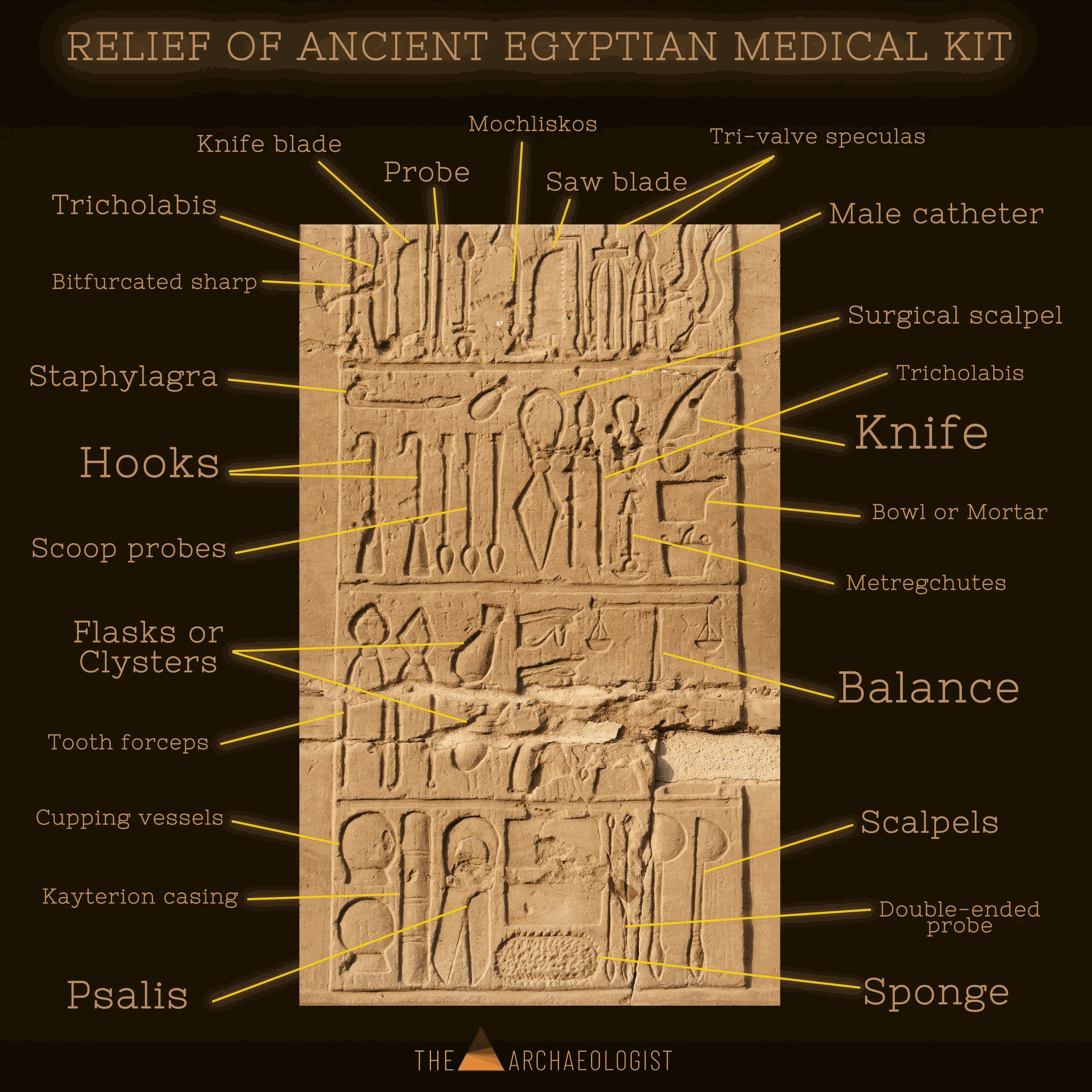
They wrote down all their knowledge in books called papyri , like the famous Ebers Papyrus, which was like a giant medical textbook from 1500 BC!
What We Learned from Them
The ancient Egyptians laid the foundation for modern medicine. They showed the world the importance of:
Observation: Looking closely at a patient's symptoms.
Records: Writing down what worked and what didn't.
A Holistic Approach: Treating the whole person—body, mind, and spirit.
So, the next time you take a spoonful of honey for a sore throat, remember you're using a remedy that a Pharaoh's doctor would have totally approved of! They may have used a little magic on the side, but their healing wisdom has truly stood the test of time. Of course! Here is a blog post about ancient Egyptian healing, written in a simple and interesting way.